Europe’s Best Road Trips

Santosh Jha
| 17-09-2026
 · Travel Team
Europe offers an extraordinary variety of road trips within relatively short distances. Drivers can move from volcanic landscapes and mountain passes to Mediterranean coastlines, historic towns and Alpine lakes, often in just a few hours.
For travellers planning a trip in September 2026, these routes combine memorable scenery with practical stops, manageable driving times and useful information on tolls, ferries and attractions.
Iceland’s Ring Road
Iceland’s Route 1 circles most of the country for around 1,330km, linking waterfalls, black-sand beaches, geothermal areas and remote coastal landscapes. A full circuit deserves at least seven days, although 10 days gives much more flexibility.
One important update for September 2026 is the new toll on the Hornafjorour section of the Ring Road, introduced on 1 September. A single journey for a vehicle under 3.5 tonnes costs about €10.70. The newly opened section shortens the route and saves an estimated 15–20 minutes.
September also brings more changeable weather and shorter daylight hours than midsummer, so checking road conditions each morning is essential.
Croatia’s Adriatic Coast
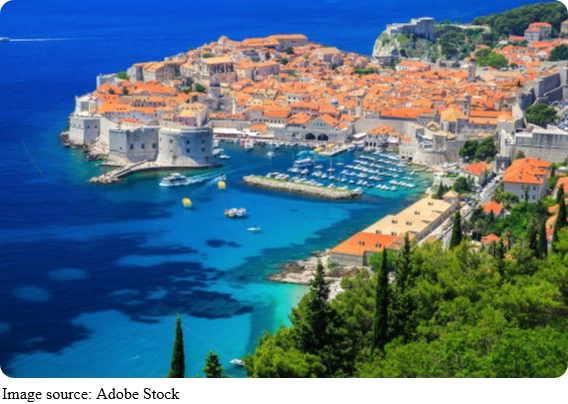
The drive from Pula towards Dubrovnik is one of southern Europe’s classic coastal journeys. Rather than covering the route in a single long day, allow four to seven days for stops in Rijeka, Zadar, Split and smaller seaside towns.
Drivers should budget for Croatian motorway tolls. For example, the current toll for a standard passenger car travelling on the Istrian motorway to Pula is €6.30 on the listed route, while the Ucka Tunnel section costs €12.30 for the same vehicle category.
Spring and September are particularly appealing, with warm conditions but fewer visitors than during the busiest weeks of summer.
Dubrovnik
Causeway Coast, Northern Ireland
The Causeway Coastal Route between Belfast and Londonderry combines cliffs, beaches, castles and dramatic Atlantic scenery. Although the main journey can be driven in a few hours, a full day is the minimum worth allowing.
The Giant’s Causeway itself can be reached on foot free of charge. The Visitor Experience, which includes parking, guided tours and the exhibition centre, currently costs about €18.70 per adults when converted from the September 2026 price. Alternatively, the nearby Causeway Coast Way car park costs about €14 per vehicle. The visitor centre is currently open from 9am to 5pm.
Transfagarasan, Romania
Romania’s Transfagarasan Highway cuts through the Fagaras Mountains and is one of Europe’s most spectacular high-altitude drives.
As of mid-September 2026, the DN7C route is listed as open, although mountain weather can cause conditions to change quickly. The cable car between Balea Cascada and Balea Lake provides an alternative way to reach the upper section. It operates from 9am to 6pm and costs about €15.20 one way for adults.
The road itself is free to drive, making this one of the more affordable mountain routes on the list.
Montenegro’s Bay And Mountains
A compact Montenegro road trip can combine Podgorica, Kolasin, Perast and the coast around Budva and Kotor.
The Kamenari–Lepetane ferry is particularly useful for drivers travelling around the Bay of Kotor. Through 14 October 2026, ferries operate approximately every 15–20 minutes around the clock. A standard passenger car costs €5, while pedestrians and bicycles travel free.
The crossing itself is short, but it can save a considerable drive around the inner bay when traffic is light.
Northern Italy’s Lakes
Northern Italy offers a slower road trip through Lake Maggiore, Lake Como and Lake Garda before continuing towards the Alps.
Around Lake Como, car ferries make it easier to move between Bellagio, Varenna, Menaggio and Cadenabbia without repeatedly driving around the shoreline. Current 2026 fares for a car measuring 3.5–4.5 metres start at €7.20 for the vehicle alone or €12.70 including the driver on eligible ferry crossings.
Passenger boat fares also remain useful for days when you prefer to leave the car parked. A circular Como–Nesso ticket, for example, costs €16.70 for adults.
Norway’s Atlantic Road
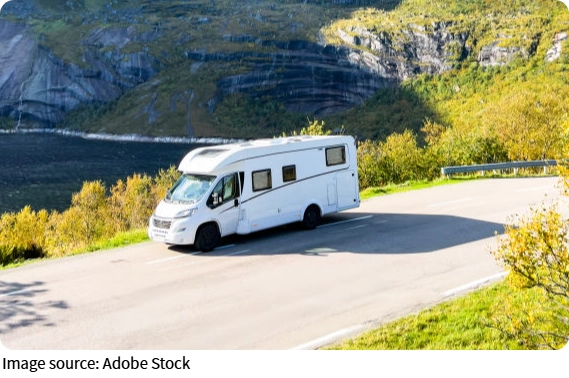
Norway’s Atlantic Road is much shorter than the other journeys, stretching for just over 8km across bridges and small islands on the western coast.
The drive itself can be completed quickly, but viewpoints and coastal walks make it worth allowing at least an hour or two. It works best as part of a longer western Norway itinerary rather than as a standalone trip.
September can bring strong winds and rapidly changing conditions, so the experience is better when treated as a scenic drive rather than a route to rush through.
The best European road trips are not necessarily the longest. What matters is leaving enough time for ferry crossings, viewpoints, small towns and unexpected stops. In September, lighter crowds can make many of these routes especially rewarding, but mountain and northern itineraries require more attention to weather and road conditions.